

What’s the Difference (And Which Is Right for You)?
If you’ve spent any time in the health and wellness space lately, you’ve probably noticed two things:
GLP-1 medications are everywhere.
And peptides are having a major moment.
Maybe you’ve wondered:
Should I consider a GLP-1?
Are “natural peptide alternatives” actually legit?
What’s the difference?
And what matters most for fat loss, muscle, and long-term health?
Because if you’re anything like the women I work with, you’re not just thinking about weight loss.
You’re thinking about:
Your metabolism
Your strength
Your energy
And how you want to feel 10, 20, 30 years from now
Let’s break this down clearly.
No hype. No fear tactics. Just facts.
What Are GLP-1 Medications?
GLP-1 stands for Glucagon-Like Peptide-1.
It’s a hormone your body naturally produces in the gut that helps regulate:
- Appetite
- Blood sugar
- Insulin response
GLP-1 medications (like semaglutide and tirzepatide) are prescription drugs designed to mimic or enhance this hormone.
They are known as GLP-1 receptor agonists.
How They Work
GLP-1 medications work by:
- Increasing feelings of fullness
- Slowing gastric emptying (food stays in your stomach longer)
- Improving insulin sensitivity
- Reducing overall calorie intake
The result for many people is significant weight loss.
Potential Benefits of GLP-1 Medications
For some individuals, GLP-1 medications can be incredibly helpful.
Potential benefits include:
- Significant fat loss
- Improved blood sugar control
- Reduced appetite and cravings
- Support for certain cardiometabolic markers
For individuals with metabolic dysfunction or type 2 diabetes, these medications can be medically appropriate and even life-changing.
Potential Downsides & Considerations
Like any intervention, GLP-1 medications come with trade-offs.
Commonly reported side effects include:
- Nausea
- Vomiting
- Constipation
- Diarrhea
- Fatigue
But there’s one conversation that doesn’t get enough attention:
Muscle Loss Matters
When weight loss happens quickly, it’s not just fat being lost.
Lean muscle is often lost too.
And here’s why that matters:
- Muscle drives metabolism
- Muscle supports insulin sensitivity
- Muscle protects bone density
- Muscle determines how well you age
On GLP-1 medications:
- Appetite is reduced
- Protein intake often drops
- Strength training may decrease
This creates the perfect environment for muscle loss.
And that can impact long-term metabolic health if not addressed. Low muscle mass isn’t just about strength — it’s associated with a higher risk of age-related diseases like insulin resistance, osteoporosis, and overall decline in function.
What Are Bioactive Precision Peptides?
Now let’s look at a different category.
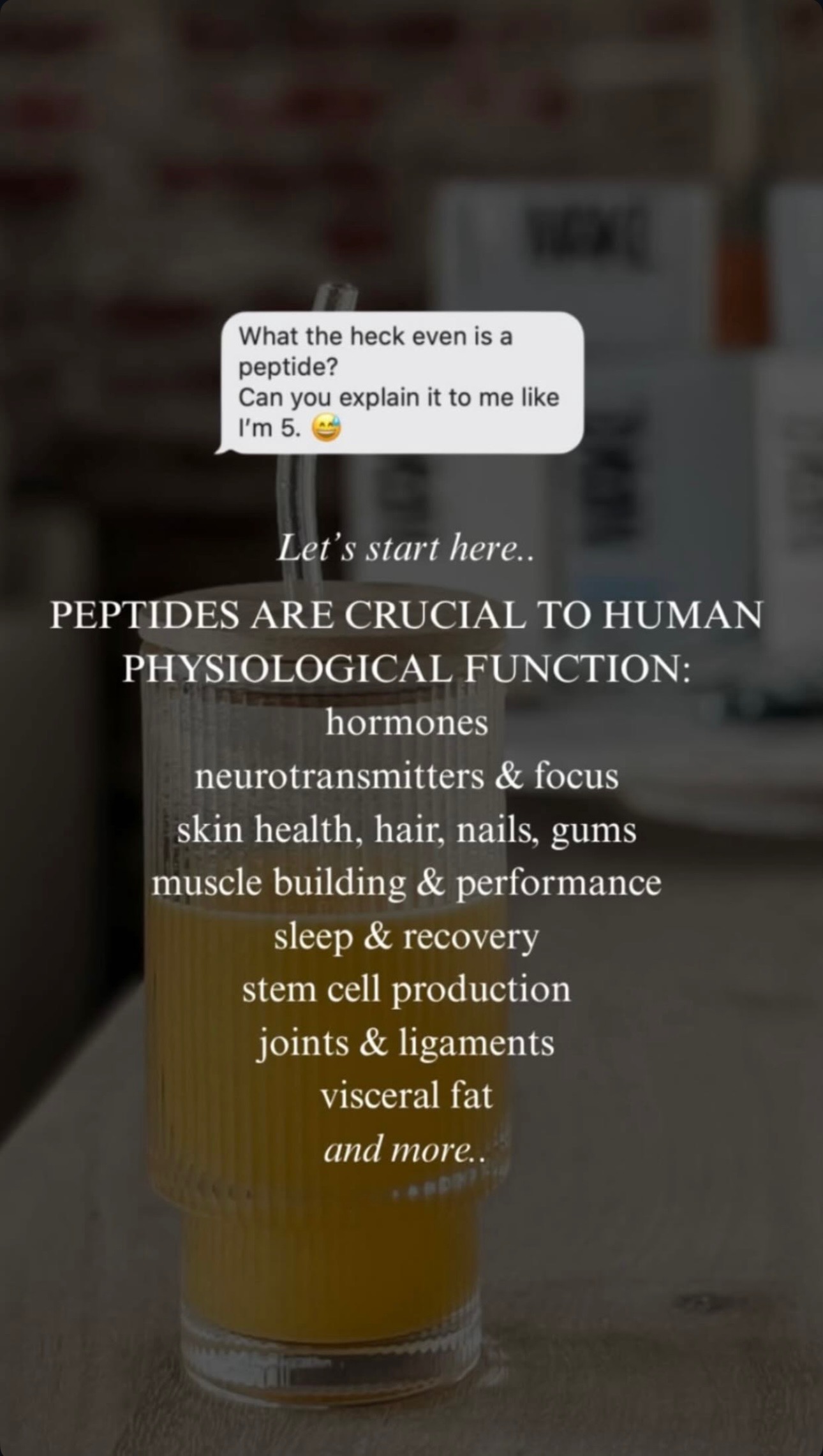
Bioactive Precision Peptides are:
- Nutritional supplements
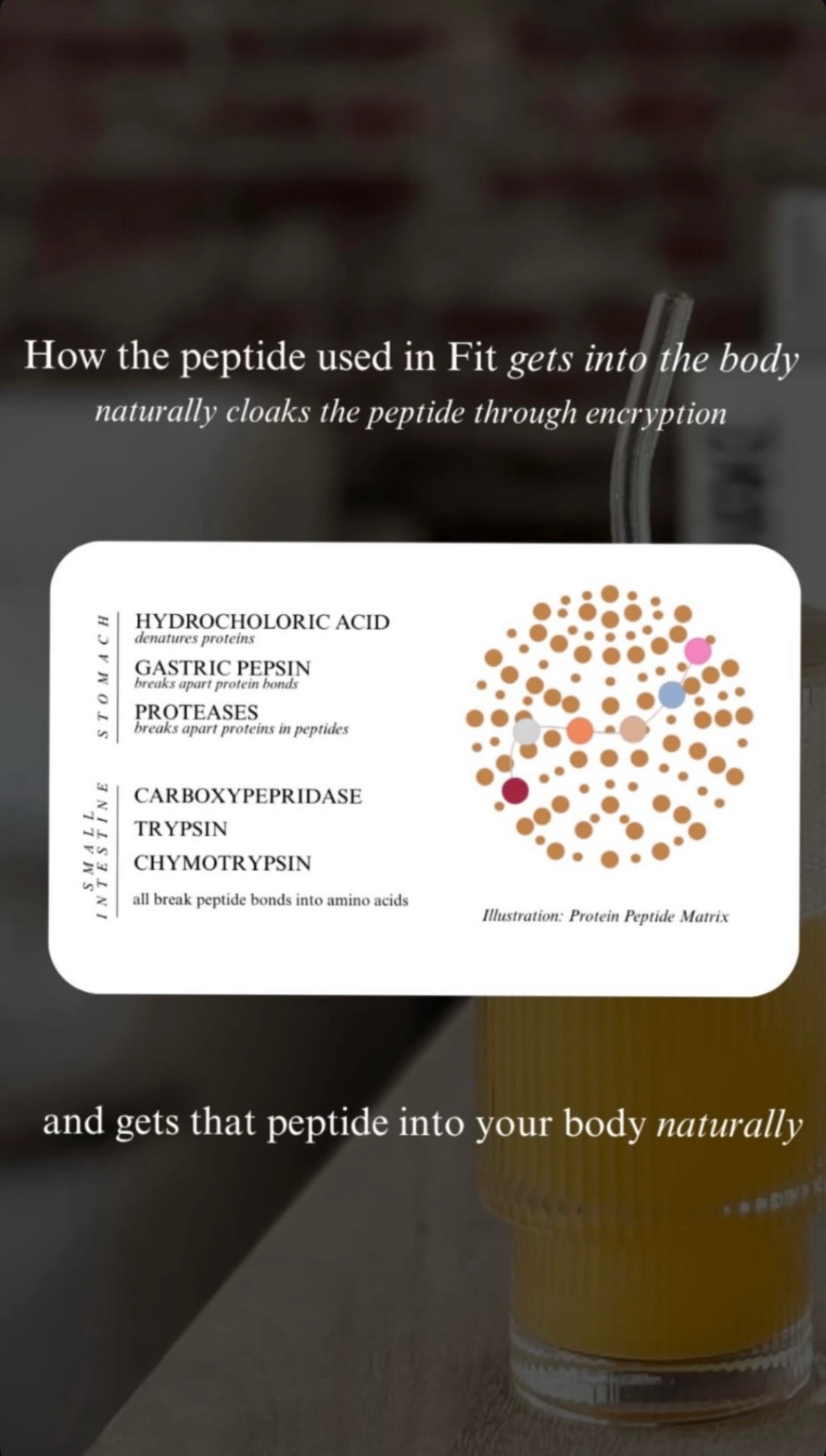
- Orally delivered (no injections)
- Designed to support natural biological signaling pathways
They are developed using advanced computational modeling and AI-assisted peptide sequencing to identify specific amino acid chains that influence targeted functions in the body.
How They Work
Instead of overriding a receptor like GLP-1 medications, bioactive precision peptides work by:
- Supporting communication between systems (like the gut and brain)
- Modulating appetite and metabolic signaling
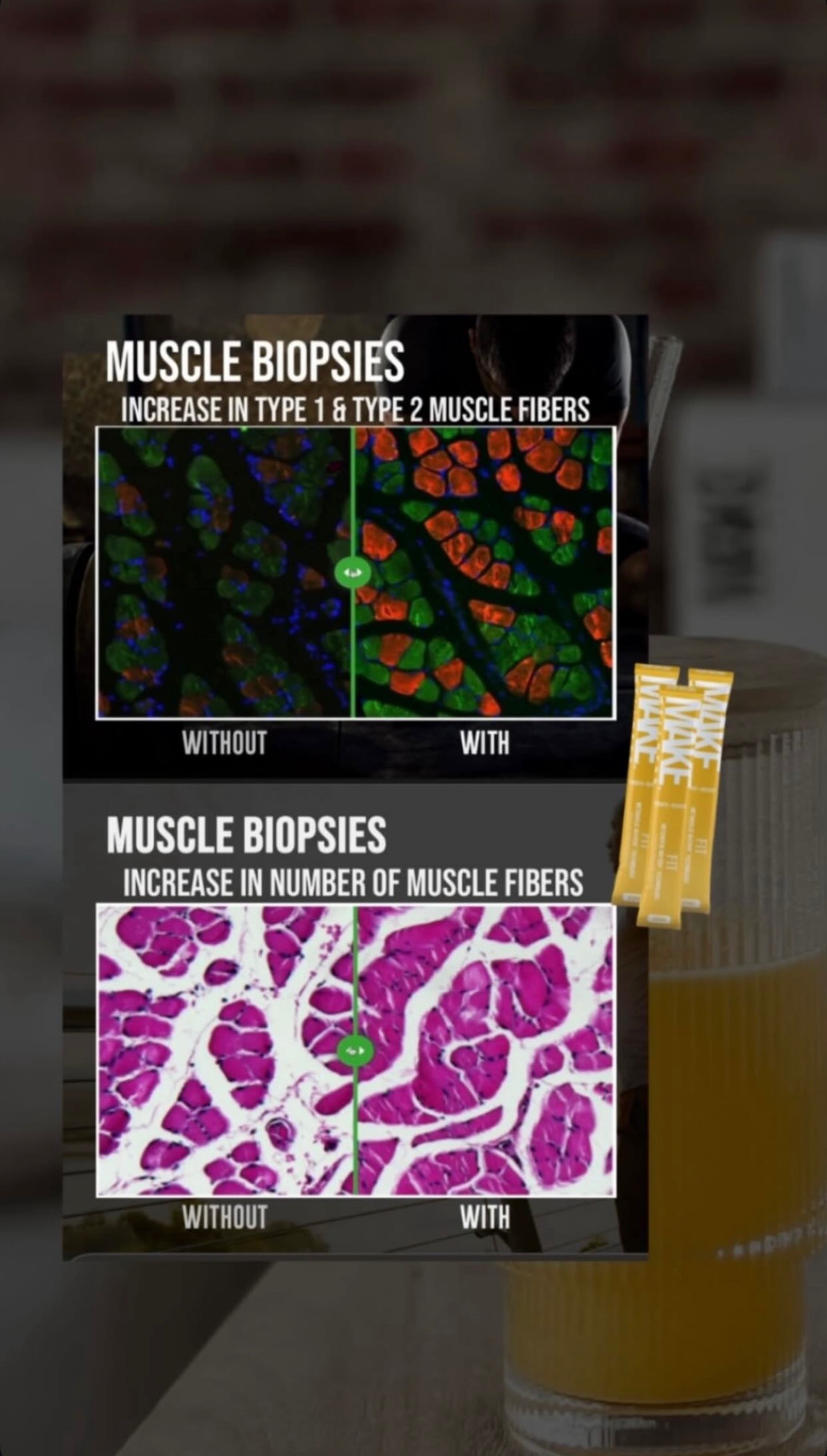
- Supporting recovery and lean mass
- Supporting cellular energy pathways (like NAD+)
They are designed to support, not force.
Side Effects & Bio-Individuality
Just like GLP-1 medications, results vary.
Some people notice:
- Changes in hunger cues
- Improved recovery
- More stable energy
Others may experience:
- Mild digestive changes
- Subtle shifts over time
And some may not respond as strongly.
That’s not failure.
That’s biology.
No two people respond the same way to any intervention.
GLP-1 vs Bioactive Precision Peptides
Here’s a simple breakdown:
GLP-1 Medications
- Prescription drug
- Typically injectable
- Strong appetite suppression
- Rapid weight loss
- Higher likelihood of GI side effects
- Risk of lean muscle loss if not managed
Bioactive Precision Peptides
- Nutritional supplements
- Oral delivery
- Support natural signaling pathways
- More gradual body composition support
- Generally milder side effects
- Can support muscle preservation when paired with protein and training
Can They Be Used Together?
For some individuals under medical supervision, GLP-1 medications may be part of a short-term or longer-term strategy.
In those cases, protecting muscle, supporting recovery, and maintaining metabolic health becomes even more important.
This is where:
- Adequate protein intake
- Strength training
- Recovery support
- Strategic supplementation
can all play a role in supporting better outcomes.
A Critical Piece: The GLP-1 Support Strategy
This is something I feel strongly about.
If someone chooses to use a GLP-1 medication, support matters.
Because what most people are not being guided on is:
How to protect muscle
How to support metabolism
How to maintain energy and recovery
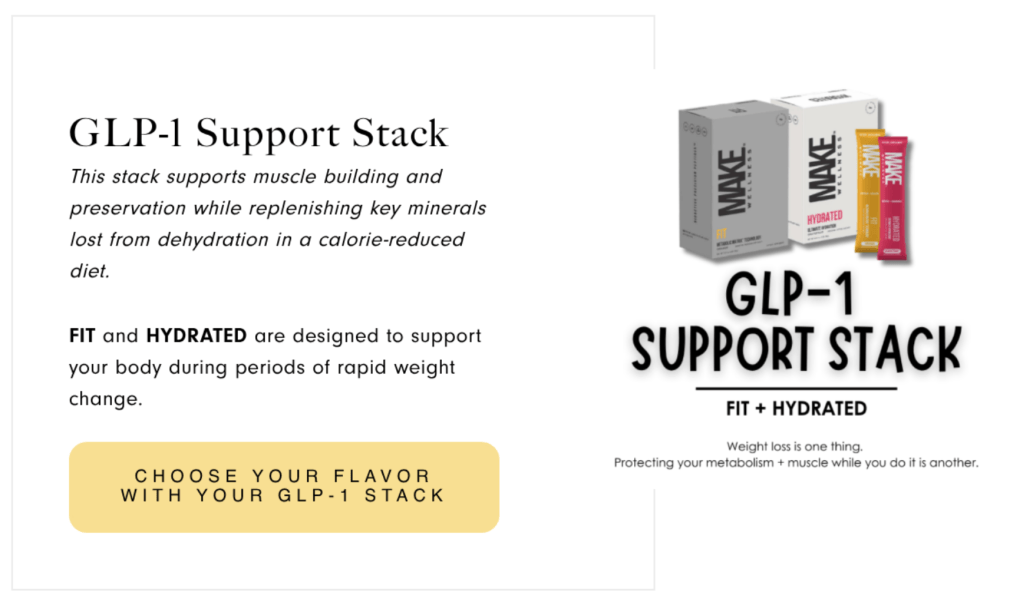
Make Wellness introduced a GLP-1 Support Stack designed specifically to support individuals using this approach.
This stack focuses on:
- Supporting lean muscle and recovery
- Supporting hydration and cellular function
- Supporting metabolic pathways
- Supporting overall resilience while calorie intake is reduced
Because when appetite drops, so does:
- Protein intake
- Nutrient intake
- Recovery capacity
And that’s where support becomes critical.
While individual needs will always vary, the goal is to create a more balanced approach — not just rapid weight loss, but better long-term outcomes.
The Truth: Neither Replaces the Basics
No matter which route someone chooses, this does not change:
You still need:
- Around 30g of protein per meal
- Progressive strength training
- Quality sleep
- Daily movement
- Stress management
- Whole, nutrient-dense foods
Peptides don’t replace the work.
They support the work.
Who Might Choose Each Option?
GLP-1 medications may be appropriate for:
- Individuals with significant metabolic dysfunction
- Type 2 diabetes
- Those under medical supervision needing more aggressive intervention
Bioactive Precision Peptides may appeal to:
- Individuals looking for a non-invasive approach
- Those focused on long-term muscle and metabolic health
- Those wanting to support their body’s natural signaling systems
There is no one-size-fits-all answer.
Final Thoughts: Think Beyond the Scale
The goal isn’t just weight loss.
The goal is:
- Strength
- Metabolic health
- Energy
- Independence later in life
Fast weight loss without muscle preservation isn’t longevity.
A strong, supported body is.
Want to Learn More?
If you’re curious about how bioactive precision peptides could fit into your routine, or how to support your body while pursuing fat loss, I’m always here to help guide you.
You can explore more, reach out with questions, or connect with me on social for deeper education and resources.
Stay healthy (and strong) my friends!
XO,
Carrie A Groff
Discover more from CG Fitness: Personal Training, Nutrition & Yoga
Subscribe to get the latest posts sent to your email.

 CG Fitness: Personal Training, Nutrition & Yoga